What Is OCR?
Optical Character Recognition (OCR) is a technology that allows computers to automatically read and archive text from images, printed documents, or scan results. With OCR, text that was previously just a static image is converted into digital data that can be edited, searched, and analyzed.
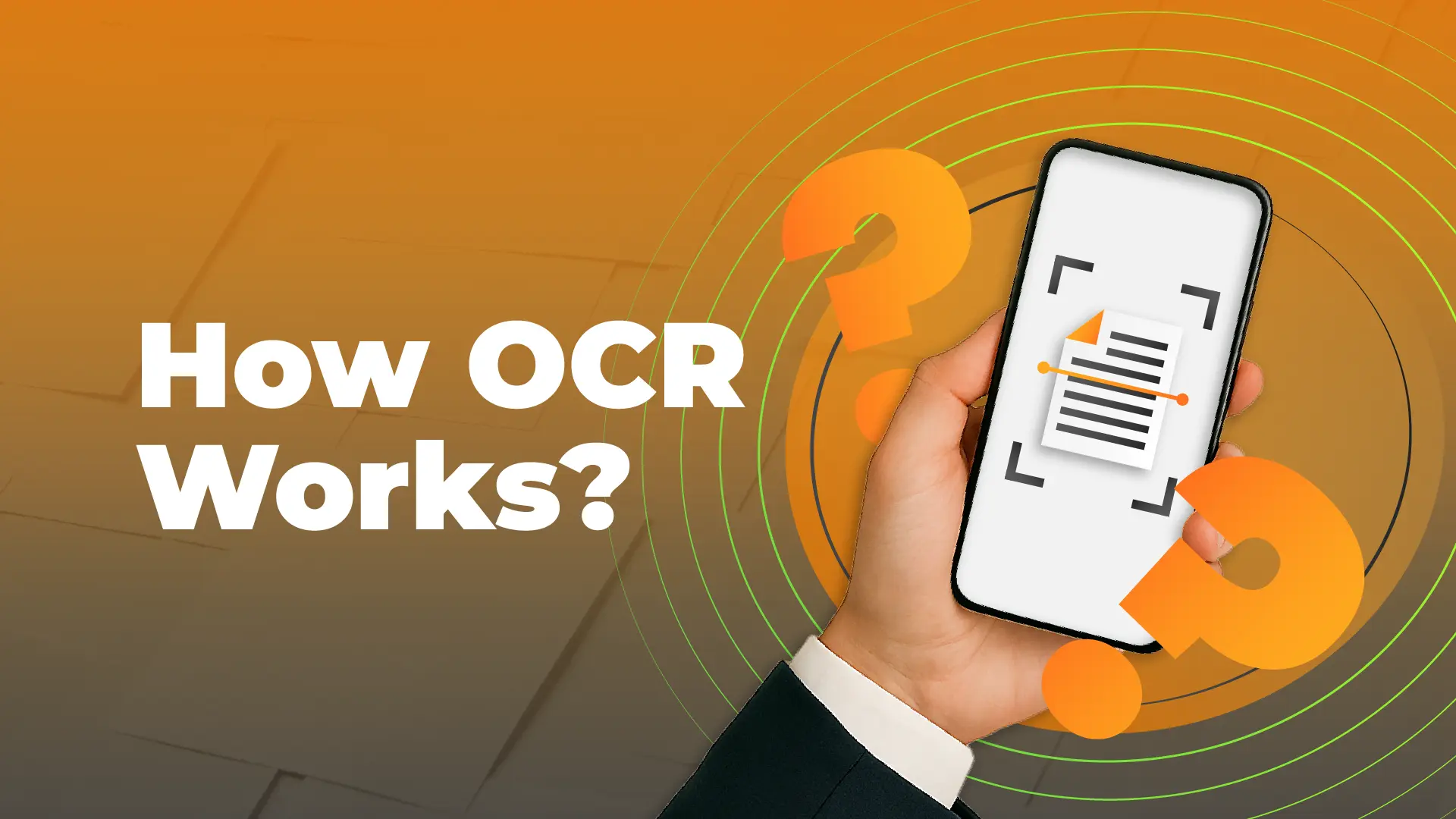
4 Main Stages of How OCR Works
The data processing workflow using OCR technology goes through the following four systematic stages:
- Document Scanning (Capture)
Physical documents or images are taken and scanned using devices such as scanners or smartphone cameras. - Image Analysis & Character Recognition
The image is then analyzed by the OCR application to identify text patterns character by character within it. - Data Extraction and Conversion
Detected characters are then extracted and converted into a digital format that can be read and understood by the computer system. - Data Ready for Use
The converted digital data is then ready to be processed for editing, searching, and utilizing to support business operational needs.
Benefits of OCR Implementation for Business Efficiency
The implementation of OCR technology brings a significant impact to company operations, such as:
- Saving Operational Time: Manual data entry processes can be done in just a matter of seconds.
- Minimizing Human Error: Prevents mistakes that frequently occur during manual data entry processes.
- Ease of Data Management: Documents that have been converted into digital formats will be easier to search, filter, and compare.
Conclusion
OCR applications are not just for scanning documents; rather, OCR applications are one of the crucial tools that can accelerate the process of data digitization and company data management. By understanding how it works, you will realize how OCR is an important tool to achieve digital transformation.